
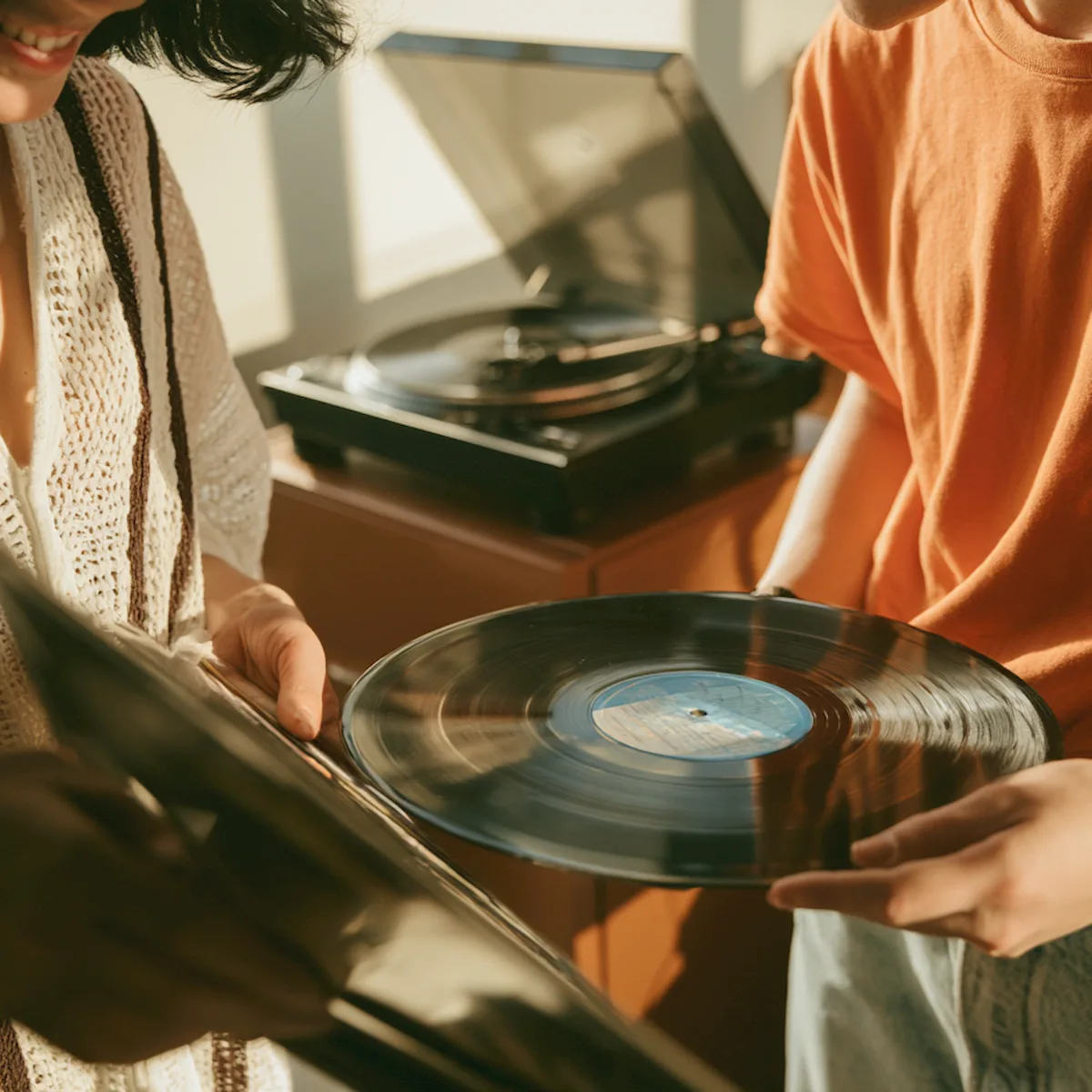
Selling a Detroit-area record collection? Learn what Motown, soul, rock, and techno collections often include and how a free in-home visit works.
Detroit’s fingerprints are all over American music. Soul came out of its studios, techno came out of its basements and clubs, and garage rock and funk came out of its garages and ballrooms. So if you have a record collection in the Detroit area, there is a fair chance the shelves tell a story that goes well beyond one person’s taste.
DJ Records™ is an independent, locally owned record buyer with over 20 years of experience. We offer a free in-home visit, and if DJ Records™ chooses to buy, we make a fair cash offer. To get started, use the form on this page or call (888) 993-4673.
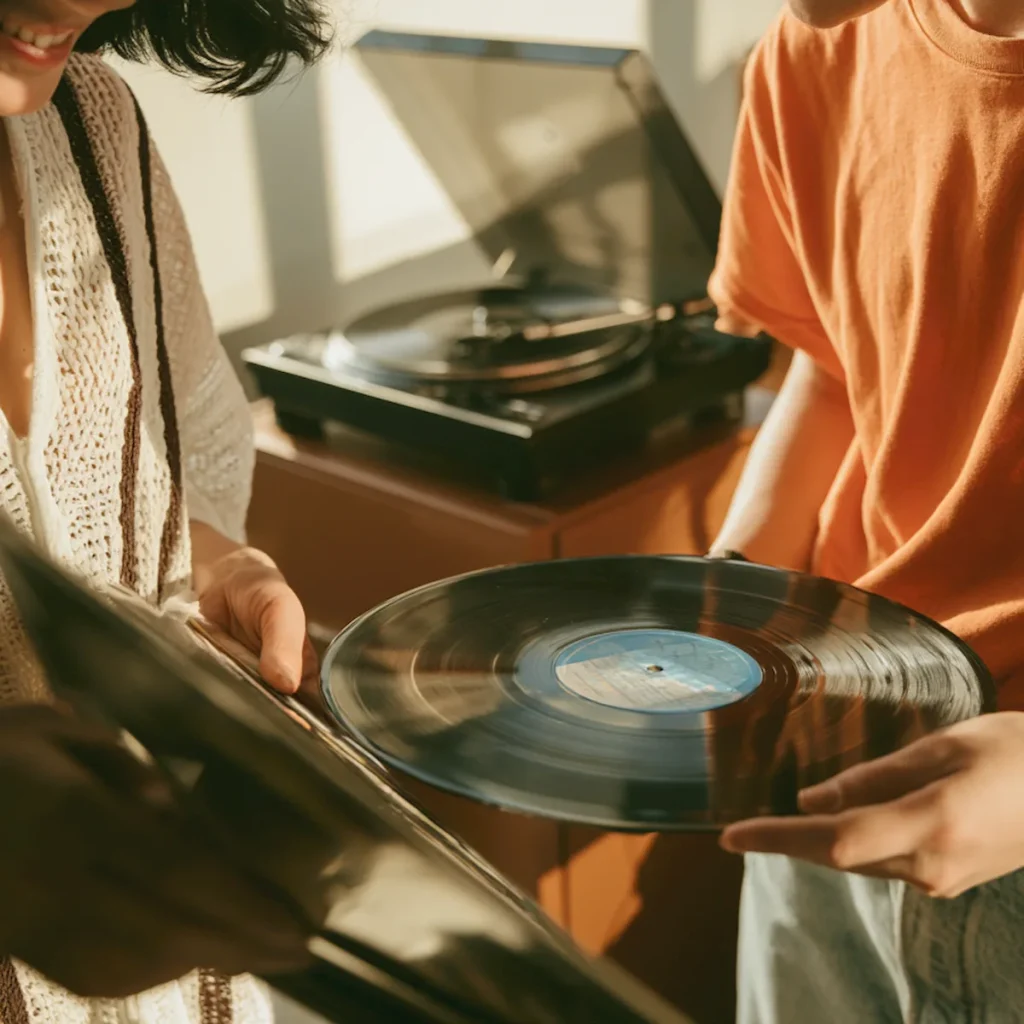
What Detroit-Area Collections Often Contain
No two collections are alike, but metro Detroit has a few recurring themes. Here is what you might find in the crates, and why each one matters to a buyer.
Motown and Detroit soul. Motown started in Detroit, and its labels (including Tamla, Gordy, Soul, and VIP) released a vast catalog of singles and albums. Detroit also had other independent soul labels, such as Ric-Tic, Golden World, and Invictus, and many families in the area bought these records when they were new. Collections that include them often hold a mix of well-known titles and lesser-known singles.
45s, lots of them. In the era of jukeboxes and radio, the 7-inch single was king. Many Detroit households kept boxes of 45s, sometimes with the original paper sleeves or picture sleeves. A box of singles can look unremarkable, but 45s are often a big part of what interests a buyer, so please do not skip past them.
Funk, R&B, and gospel. Detroit was home to Westbound Records and the Parliament-Funkadelic sound, as well as a strong gospel and church music tradition. Local and regional pressings from smaller labels turn up in family collections, sometimes with no big-name artist attached.
Blues and jazz. Detroit has a deep blues history, and John Lee Hooker is one of its best-known figures. The city also produced a long line of jazz musicians. Collections from the 1950s and 1960s may include blues, bebop, and hard bop albums, often in mono pressings that buyers prefer.
Rock, garage, and proto-punk. Metro Detroit and nearby Ann Arbor gave us the MC5 and the Stooges, and Michigan has produced a long list of rock acts, including Bob Seger and Ted Nugent. Local and regional bands also pressed small runs of their own records, and those private releases may be of particular interest to collectors.
Techno, house, and electronic 12-inch singles. Detroit techno is a world of its own, and artists associated with labels such as Metroplex, Transmat, KMS, and Underground Resistance helped shape the genre. Much of it was released on 12-inch singles, often in smaller quantities. If someone in your family was a DJ, a bag or crate of these may be sitting somewhere.
Hip hop. Detroit’s hip hop scene, with names like J Dilla, Slum Village, and Eminem, has its own collectors. Vinyl from this scene can be a fun surprise in a younger relative’s collection.
Everything else. Many Detroit-area collections also include rock and pop staples, classic country, classical box sets, soundtracks, and holiday albums. A buyer reviewing a collection will look at the whole thing, not only the headline names.
What Shapes a Buyer’s Interest
People often ask what makes one collection more interesting than another. There is no single answer, but four factors tend to matter most.
- Genre. Some genres have more active collector demand than others, and that demand shifts over time.
- Condition. This covers both the record and its cover or sleeve. Scratches, warping, ring wear, water stains, and seam splits can all affect interest.
- Rarity. Limited pressings, local releases, promotional copies, and records that were not widely distributed may stand out.
- Demand. What collectors are looking for today may differ from what they wanted five years ago.
These factors work together, which is why it is hard to judge a record by its title alone. Two copies of the same album can draw very different interest depending on the pressing and condition. A title that sells for a certain amount online may be in a different condition from the copy sitting in your attic. That is one reason a quick internet search often raises more questions than it answers.

Details Buyers Pay Attention To
If you are curious, these are things a buyer may look at:
- Label design and pressing details. Labels changed their designs over the years, and these differences can help date a pressing.
- Mono or stereo. On some titles, the format matters.
- Promo copies. Records marked for radio or promotional use are sometimes distinct from the standard release.
- Picture sleeves and inserts. Especially on 45s, an original sleeve can add to the record’s appeal.
- Original packaging. Posters, lyric sheets, and inner sleeves are part of the package.
You do not need to identify any of this yourself. We mention it so you know why we ask you to leave everything as it is.
Michigan Basements, Attics, and What to Watch For
Records are sensitive to their surroundings. Michigan’s humid summers and cold winters, combined with older homes and basements, can be tough on vinyl and cardboard. If your collection has been stored in a basement, garage, or attic, take a quick look for:
- Mold or mildew on covers and sleeves, which often shows up as fuzzy spots or a musty smell.
- Water damage, such as stains, stuck-together covers, or warped cardboard.
- Warped records, which can happen when vinyl sits in heat or under pressure.
- Pests, since mice and insects sometimes damage cardboard and paper.
If you find any of this, set those records aside from the rest and let the buyer know. Damaged records may still be of interest in some cases, but it helps to be upfront. Please do not try to fix them yourself. Wiping, scrubbing, or drying records can often do more harm than good.
How to Prepare Your Collection: 10 Simple Steps
You do not need to organize everything. A little preparation helps, though.
- Pause before doing anything. There is rarely a deadline. If the collection is part of an estate, check with the personal representative or an attorney about who has the authority to sell.
- Talk with family. If more than one person has a say, agree on whether anyone wants to keep a few favorites.
- Resist the urge to clean. Leave dust and cover wear alone. Aggressive cleaning can cause damage.
- Keep everything together. Do not throw out boxes, sleeves, inserts, or paperwork.
- Find all the records. Check closets, garages, basements, and storage units. Collections often end up spread around the house.
- Do not cull. Records that look ordinary to you may still be of interest. Let the buyer decide.
- Store records upright. Keep them off the floor, away from heat and moisture, and not stacked flat in tall piles.
- Look for lists or notes. Receipts, catalogs, or handwritten lists can say something about the collection.
- Take a few photos. Pictures of the shelves or crates help when you describe the collection.
- Make a keep pile. Pull out any records you want to hold onto before a visit.
Your Options for Selling in the Detroit Area
Most people consider a few routes. None is right for everyone.
Selling online. Online marketplaces give you control over price and pace, but you take on the work of photographing, listing, packing, and shipping, and you may pay fees. For a large collection, that can add up to a lot of time.
Local record stores. A shop can be a good option for a smaller collection or a few select records. Stores may have limits on how much they can take, and many cannot travel to see a collection.
Estate sale companies and auctions. These can work when the whole household is being cleared, though records may be a small part of a larger sale, and timing and fees can vary.
An independent buyer who comes to you. For large or inherited collections, a buyer who visits your home can save the work of sorting, boxing, and shipping. You show the collection, ask questions, and decide whether the offer makes sense for you.
Whichever route you take, our short guide, Questions to Ask Any Record Buyer Before You Sell, can help you compare.
If You Inherited the Collection
Inheriting records can bring up feelings as well as practical questions, and it is perfectly fine to take your time. If you are working through a family collection, How to Sell an Inherited Record Collection walks through the first steps.
What a Free In-Home Visit Looks Like
A DJ Records™ buyer visits you, looks over the collection, and answers your questions. If DJ Records™ chooses to buy, we make a fair cash offer based on condition, rarity, and demand. The visit itself is free, and there is no obligation to accept an offer. Because every collection is different, an offer depends on what is in yours.
We serve the contiguous United States, and our Michigan and Detroit-area pages have more information on how visits work in your area.
Frequently Asked Questions
- Do I need to sort or price my records first?
- No. Please leave the collection as it is. Sorting and cleaning often cause more problems than they solve.
- What if my collection is small?
- Tell us about it. Collections come in every size, and the form on this page is a simple way to start.
- What if I am not sure my records are of interest?
- That is common. Condition, rarity, and demand all play a part, and it can be hard to judge from the outside. A free visit is a way to find out.
- Can I keep a few records?
- Of course. Many families set aside a few favorites first.
- Does the visit cost anything?
- No. The in-home visit is free, and an offer is made only if DJ Records™ chooses to buy.
- Do you only buy certain genres?
- Collections vary, so we look at the whole picture. Let us know what you have when you reach out.
A Last Thought
A record collection is more than a stack of vinyl. In a city with Detroit’s musical history, it may carry pieces of a family’s life, a neighborhood’s soundtrack, or a bit of the city’s own story. Whatever you decide to do with yours, take it one step at a time, ask good questions, and choose a buyer who is open about how they work.
Consider Contacting DJ Records™ Today
Have a Detroit-area collection you are thinking about selling?
Tell us a little about it using the form below, or call (888) 993-4673 to ask about a free in-home visit.