
Starting a vinyl record collection is exciting, but the terminology can sometimes feel confusing, especially for beginners.
Words and phrases like 33⅓ RPM, mono, and LP may seem unfamiliar, but they are key to understanding and appreciating the world of records. The following sections will break down essential vinyl terminology, equipping you with the knowledge needed to navigate the intricacies of record collecting.
By familiarizing yourself with these terms and concepts, you’ll gain the confidence to select, maintain, and enjoy your growing collection while preserving its quality for years.
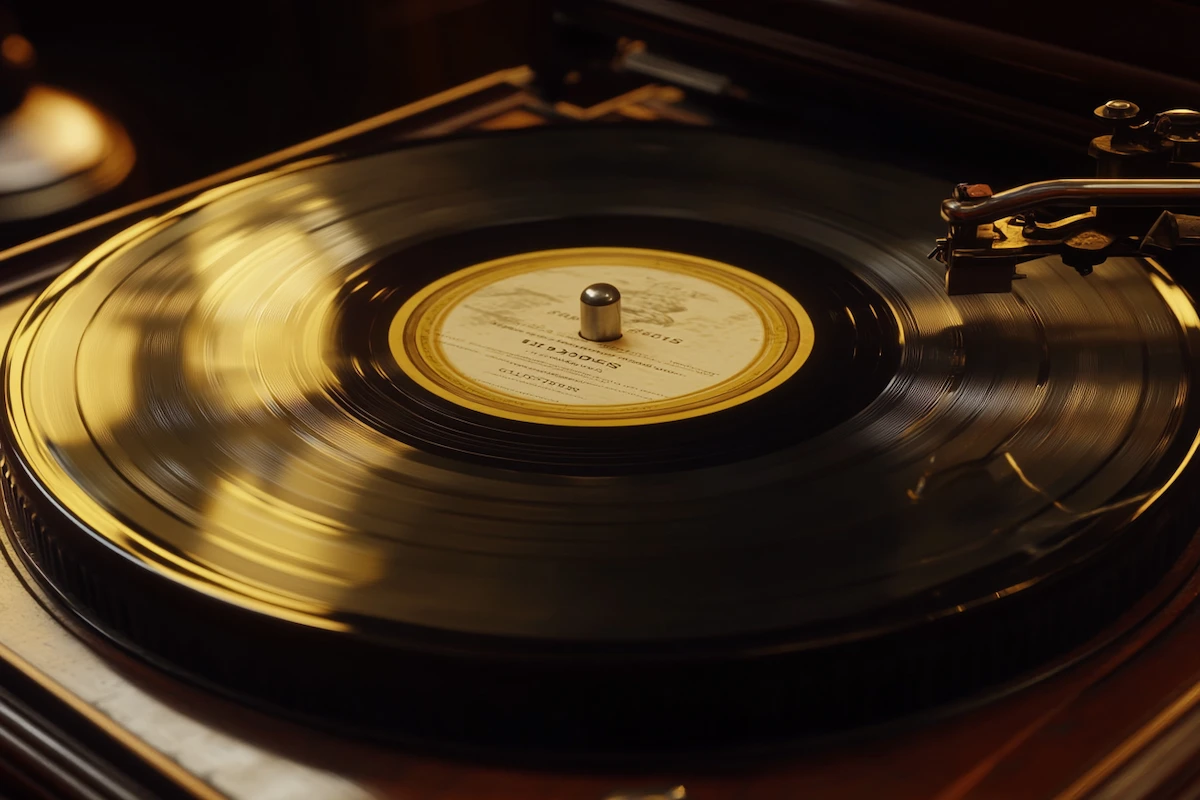
Understanding Vinyl Speeds
33⅓ RPM
This speed is the standard for LPs (Long Play records), allowing a longer runtime per side. A 12-inch vinyl spinning at 33⅓ RPM typically holds 20–30 minutes of music per side. This format became popular because it fits entire albums on one disc.
45 RPM
Used primarily for EPs (Extended Plays) and singles, 45 RPM records often feature 1–2 songs per side. Due to their faster rotation, they can deliver superior sound quality compared to 33⅓ RPM.
78 RPM
The oldest format, 78 RPM records, was made from shellac instead of vinyl. They typically hold one song per side and are much more fragile. This speed became obsolete in the mid-20th century as vinyl gained popularity.
Tip: Always match the speed of your turntable to the record you’re playing. Incorrect speeds can result in distorted sound.
Formats: LP, EP, and Singles
LP (Long Play)
An LP is the full-length album format most collectors are familiar with. These 12-inch records can contain an entire album, making them a staple of any vinyl collection.
EP (Extended Play)
EPs fall between singles and LPs in length, usually containing 3–5 songs. They’re popular for artists releasing experimental work or teasers for upcoming albums.
Singles
Singles are typically released on 7-inch records and feature just one track per side. They were a dominant format for hit songs before digital streaming.

Mono vs. Stereo: The Audio Setup
- Mono (Monaural): Mono records contain a single audio channel. Early recordings, particularly those from the 1950s and earlier, were predominantly mono. While simpler, mono provides a clear and focused sound.
- Stereo: Stereo records feature two separate audio channels, allowing for a more dynamic and immersive sound. You might hear instruments or effects from different sides with stereo, creating a wider soundstage.
Fun Fact: Although stereo technology was available, many early rock and jazz albums were initially released in mono. Collectors often value these mono pressings for their authenticity.
Key Components of a Record
- Grooves: The spiral grooves etched into the surface of a record are where the music lives. A turntable’s stylus (needle) reads these grooves to produce sound. Wider grooves (common on older records) allow for louder playback, while narrower grooves fit more music per side.
- Dead Wax: This smooth area near the record’s center label contains no music. It often has etched information like catalog numbers, pressing details, or hidden messages from the artist or pressing plant.
Tip: Always handle records by their edges to avoid damaging the grooves.

Turntable Accessories
45 Adapter
This small attachment is necessary for playing 7-inch 45 RPM records, which have larger center holes than 33⅓ RPM LPs. These records won’t sit properly on the turntable spindle without an adapter.
Inner and Outer Sleeves
- Inner Sleeve: Protects the vinyl from dust and scratches inside the jacket. Anti-static sleeves are an excellent upgrade for long-term care.
- Outer Sleeve: A clear plastic cover shields the record jacket from wear and tear during storage.
Mastering and Pressing: Behind the Scenes
Mastering
Mastering is the final step in preparing audio for vinyl pressing. Engineers adjust the sound to suit vinyl’s unique characteristics, such as its dynamic range limitations.
Pressing
Pressing is the physical manufacturing process of creating vinyl records. Collectors often seek out limited or first pressings of an album.
Pro Tip: Research pressing variations if you’re looking for a specific edition. A first pressing may differ in sound quality or packaging compared to later reissues.
Additional Vinyl Terminology
180-Gram Vinyl
Heavier records, like 180-gram vinyl, are marketed as audiophile quality. While their weight doesn’t guarantee better sound, it does make them more durable and less prone to warping.
A-Side and B-Side
- A-Side: Usually contains the hit single or primary track.
- B-Side: Features lesser-known tracks or experimental content. Some B-sides have become fan favorites over time.
Catalog Number
This unique identifier helps collectors track specific pressings of an album. Catalog numbers are typically printed on the record label and jacket.
Warping
Records can warp if exposed to heat or improper storage. Warped vinyl may cause playback issues, like skipping. Always store records upright in a cool, dry place to avoid this.
Common Playback Terms
Tracking Force
This refers to the pressure the stylus exerts on the record grooves. Too much force can damage the vinyl, while too little can lead to skipping. Adjust your turntable according to the manufacturer’s recommendations.
Wow and Flutter
- Wow: Slow fluctuations in pitch caused by uneven turntable speed.
- Flutter: Rapid, high-frequency pitch variations. Both can affect playback quality and are often linked to mechanical issues.
Bootlegs and Unofficial Releases
Bootlegs are unauthorized vinyl pressings, often featuring live performances or unreleased tracks. While they can be interesting to collectors, they’re not officially licensed, which means sound quality varies and legal resale can be tricky. Still, certain bootlegs do hold niche value depending on the artist and rarity.
Why Understanding Vinyl Terminology Matters
Understanding vinyl terminology is an essential step for new collectors. It enhances your ability to choose and care for records while deepening your appreciation for this timeless medium. Whether you’re exploring pressings, grasping the difference between mono and stereo, or setting up your turntable, knowing these terms will elevate your experience. Vinyl is more than just a way to listen to music—it’s a rich and rewarding journey that connects you to history, artistry, and the joy of analog sound.
At DJ Records™, we specialize in buying vinyl collections of all kinds—and understanding the language of vinyl helps both sellers and buyers recognize the actual value of a record.
Happy collecting, and remember: vinyl isn’t just about music—it’s about the experience!
WE BUY OLD RECORDS!
We’ve been buying LPs, 45s, 78s & 12″ singles for well OVER 20 YEARS.
No collection is too large!
