
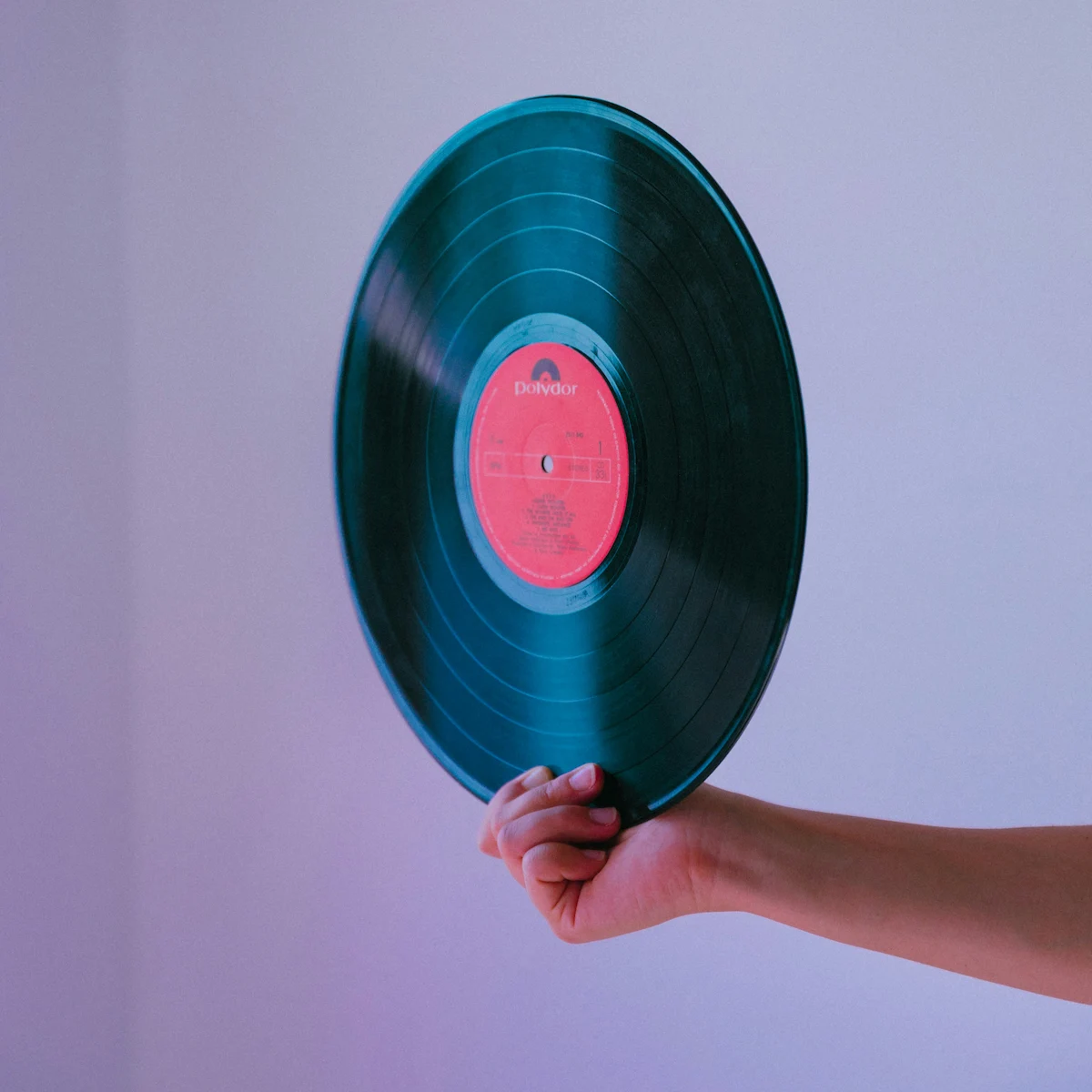
If you’ve ever looked into selling records, you’ve probably come across a lot of talk about rare albums.
First pressings. Limited releases. That one record someone swears is worth a fortune. It’s easy to see why — rarity gets attention.
But what doesn’t always get explained is this: most record buyers don’t build their work around single albums. They focus on collections.
At DJ Records™, we buy record collections every day, and there’s a practical reason for that. This article explains why collection-based buying exists, what actually matters to buyers, and how even incomplete collections can still be worth discussing. No guarantees. No hype. And definitely no vinyl science.

What “collection” really means
When we use the word collection, we’re not talking about a perfect or complete archive. A collection can be any group of records being considered together — even if some records are missing, already sold, or spread across boxes and shelves.
Most real-world collections are exactly that: shelves of music that were played, moved, added to, and sometimes thinned out over time. That’s normal, and it’s what buyers expect to see.
Why buyers usually focus on collections
Buying records isn’t about hunting for one standout title. It’s about understanding the whole picture.
When buyers look at collections, they’re paying attention to things like:
- How many records are there overall
- Whether the music leans toward certain genres or eras
- How the records were stored and handled
- How consistent the condition feels across the group
A single album doesn’t offer much context by itself. A collection does.
Collections help buyers recognize patterns rather than guess. One record might be clean, another might be rough. One genre might be strong, another less so. Seeing everything together makes it easier to engage with what’s actually there and respond with a fair, straightforward offer.
That’s why many experienced buyers — especially those offering in-home visits — work exclusively with collections.
How common records still contribute
Another common misunderstanding is that collections only matter if they’re full of rare or expensive records. In reality, most collections include plenty of common titles, and that doesn’t make them unimportant.
Grouped together, everyday records can:
- Fill out a genre or era.
- Show listening habits and care over time.
- Support the overall balance of a collection.
- Make the logistics of buying worthwhile.
Most collections aren’t museum pieces. They’re personal libraries of music people actually enjoyed. Buyers expect familiar artists and standard releases, and those records still play a role when they’re part of a larger group.
Why context matters more than hype
Online buzz tends to spotlight “hot” records, but buyers look at context first.
Context includes things like:
- Whether the records share a clear style or time period
- How the records were stored
- Whether the collection feels curated or random
A collection with a clear story often makes more sense to a buyer than a handful of disconnected one-offs. Even if none of the records are considered rare on their own, the collection as a whole can still be relevant.
That’s why hype doesn’t drive offers. Experience does.
When people ask about single records
It’s very common for people to ask about one specific record. Maybe they inherited a single album, heard something online, or pulled one title aside that seemed important. Those questions are entirely normal.
That said, DJ Records™ works exclusively with record collections, even when those collections are incomplete or have already been partially sold. Our focus is always on groups of records, not individual albums.
Single records may still come up in conversation when someone is trying to understand what they have. But collection-based buying is how our service is designed to work, and it’s what allows us to offer straightforward, in-home buying across the contiguous U.S.
Why collections fit in-home buying
In-home buying is built around clarity, efficiency, and trust. Bringing that service to someone’s home only makes sense when there’s enough material to look at together.
Collections allow buyers to:
- Spend time understanding what’s there
- Answer questions naturally and in person
- Make a clear, immediate offer
- Avoid piecing things together across multiple visits
For sellers, this often feels easier, too. Instead of separating records, researching endlessly, or guessing what matters, everything can be reviewed at once and discussed in real time.
You don’t need a “perfect” collection
Collections don’t need to be rare, spotless, complete, or carefully organized to be worth a conversation.
Even a partial collection can make sense if the records are being considered together. Most sellers aren’t sure what matters at first, and that’s okay. Asking questions and getting clear information is part of the process.
A grounded way to think about selling records
Selling records isn’t about finding one magic album. It’s about groups of music, real-world conditions, and realistic expectations.
That’s why collection-based buying exists — and why it continues to work for both buyers and sellers.
If you have a record collection and you’re deciding what to do next, understanding how buyers think is a solid place to start. From there, you can choose the path that makes the most sense for you.
No pressure. No guarantees. Just clear information and a straightforward conversation.
WE BUY OLD RECORDS!
We’ve been buying LPs, 45s, 78s & 12″ singles for well OVER 20 YEARS.
No collection is too large!







1 thought on “Why Record Collections Matter More Than Single Albums”